


At first glance, transparent paper and plastic film can look almost identical. Both allow light to pass through, both are widely used in packaging, and both are often chosen to showcase the product inside.
But in reality, transparent paper is not the same as plastic film—and confusing the two can lead to poor material choices, compliance issues, or missed sustainability opportunities.
As someone who has worked with packaging and specialty paper materials for years, I can say this clearly: they may serve similar visual purposes, but they are fundamentally different materials with very different performance profiles. Let’s break this down step by step.
What is Transparent Paper Made From?
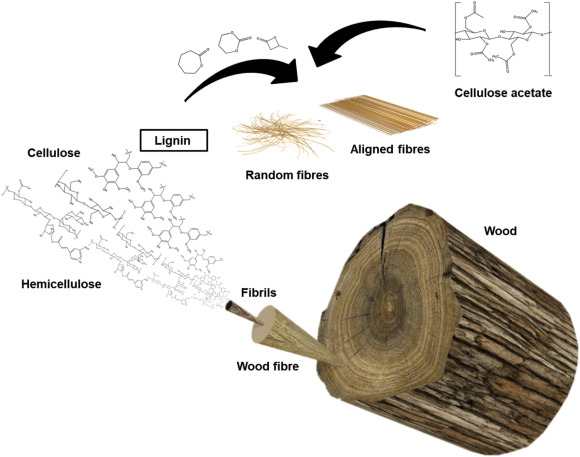
Transparent paper is a cellulose-based material, derived primarily from wood pulp or other plant fibers. Its transparency does not come from melting or stretching polymers, but from carefully controlling the fiber structure during papermaking.
There are two main ways transparent paper achieves its clarity:
• Highly refined cellulose fibers that reduce light scattering
• Special coatings or impregnation processes that fill air gaps between fibers
Common examples include:
• Glassine paper
• Vegetable parchment
• Transparent specialty papers for food, medical, or decorative packaging
Despite its glass-like appearance, transparent paper remains true paper at its core. It retains many paper characteristics such as breathability, stiffness, print friendliness, and—most importantly—renewable origin.
This is why transparent paper is often positioned as a plastic-free or fiber-based alternative in sustainable packaging applications.
Cellulose vs. Polymer: Material Difference
The most critical difference lies in what the material is made of.
Transparent paper is based on cellulose, a natural polymer formed by plants. Plastic film, on the other hand, is made from synthetic polymers, typically derived from fossil fuels.
| Aspect | Transparent Paper | Plastic Film |
| Base material | Cellulose fibers | Synthetic polymers (PE, PP, PET, etc.) |
| Origin | Renewable | Fossil-based (mostly) |
| Structure | Fibrous | Continuous polymer matrix |
| Breathability | Naturally breathable | Typically non-breathable |
Because of this difference:
• Transparent paper behaves like paper during converting and disposal
• Plastic film behaves like plastic in sealing, recycling, and waste streams
This material distinction influences everything else—from strength and barrier properties to recyclability and regulatory acceptance.
Transparency, Strength, and Barrier Properties: How Do They Really Compare?
Although both materials can be transparent, their performance characteristics are not interchangeable.
Transparency and Appearance
Plastic film usually offers:
• Higher optical clarity
• Lower haze
• Glossy surface
Transparent paper typically provides:
• Soft, natural transparency
• Slight haze or frosted appearance
• Premium, paper-like look and feel
This is why luxury and eco-focused brands often prefer transparent paper despite slightly lower clarity.
Mechanical Strength
Plastic film generally outperforms transparent paper in:
• Tensile strength
• Tear resistance
• Stretchability
Transparent paper, however:
• Holds its shape well
• Offers better stiffness
• Performs reliably in folding and wrapping applications
Barrier Properties
Plastic film has superior resistance to:
• Moisture
• Oxygen
• Grease
Transparent paper:
• Is breathable
• Can offer moderate grease resistance
• Often requires coatings for moisture protection
In short, plastic film excels in high-barrier applications, while transparent paper performs best where breathability, natural aesthetics, or sustainability matter more.
Biodegradability and Recyclability: Environmental Differences That Matter
This is where the difference becomes especially important.
Transparent paper is:
• Biodegradable
• Recyclable in standard paper streams (depending on coatings)
• Based on renewable resources
Plastic film is:
• Generally not biodegradable
• Difficult to recycle due to contamination and thin structure
• Often excluded from curbside recycling systems
For brands under pressure from:
• Plastic reduction regulations
• Consumer sustainability expectations
• ESG and carbon footprint goals
Transparent paper offers a clear environmental advantage, particularly in short-life packaging such as food wraps, inner liners, and single-use packaging.
When Transparent Paper Is a Better Choice Than Plastic Film
Transparent paper is not a universal replacement—but in many cases, it is the smarter material choice.
Transparent paper is preferable when:
• Plastic-free packaging is required
• Products need to breathe (bakery, confectionery, produce)
• A natural or premium aesthetic is desired
• Paper recycling compatibility is a priority
• Regulatory or brand commitments limit plastic use
Plastic film remains better suited for:
• High-moisture or liquid packaging
• Long shelf-life products
• Vacuum or modified atmosphere packaging
The key is application-driven material selection, not appearance alone.


